The Crisis The Solution Technology Vision Join the Federation
Tirth Sutra

Bharatiya Dharma Sansthan  

Restoring
the Sacred.

India's first fully owned, blockchain-verified cooperative supply chain — bringing temples together under one constitutionally protected standard of complete purity.

Scroll
$441B
Projected Religious Economy
by 2035
6.8M kg
Adulterated Ghee Supplied
to Tirupati
200M+
Sacred Laddus
Contaminated

A Threat to the Sanctity
of Our Most Sacred Temples

The Tirupati Laddu scandal was not a one-time mistake. It was the unavoidable result of forcing sacred, quality-sensitive religious duties through a system designed only to cut costs.

01
The Lowest Bidder Problem
Government rules require giving contracts to the cheapest bidder. The TTD ghee contract was awarded at Rs. 320 per kg — a price that makes it financially impossible to supply genuine A2 Bilona Ghee, which costs at least Rs. 1,850 per kg to produce.
02
Bureaucrats Running Sacred Spaces
IAS officers with no religious background manage temple affairs and focus on administrative targets instead of religious standards. As a result, Prasadam is treated like a catering order rather than a sacred offering — and the consequences have been devastating.
03
Small Temples Left Vulnerable
Millions of smaller temples do not have the collective bargaining power to demand pure ingredients. They are left permanently exposed to adulteration in disorganised, untransparent local supply chains.
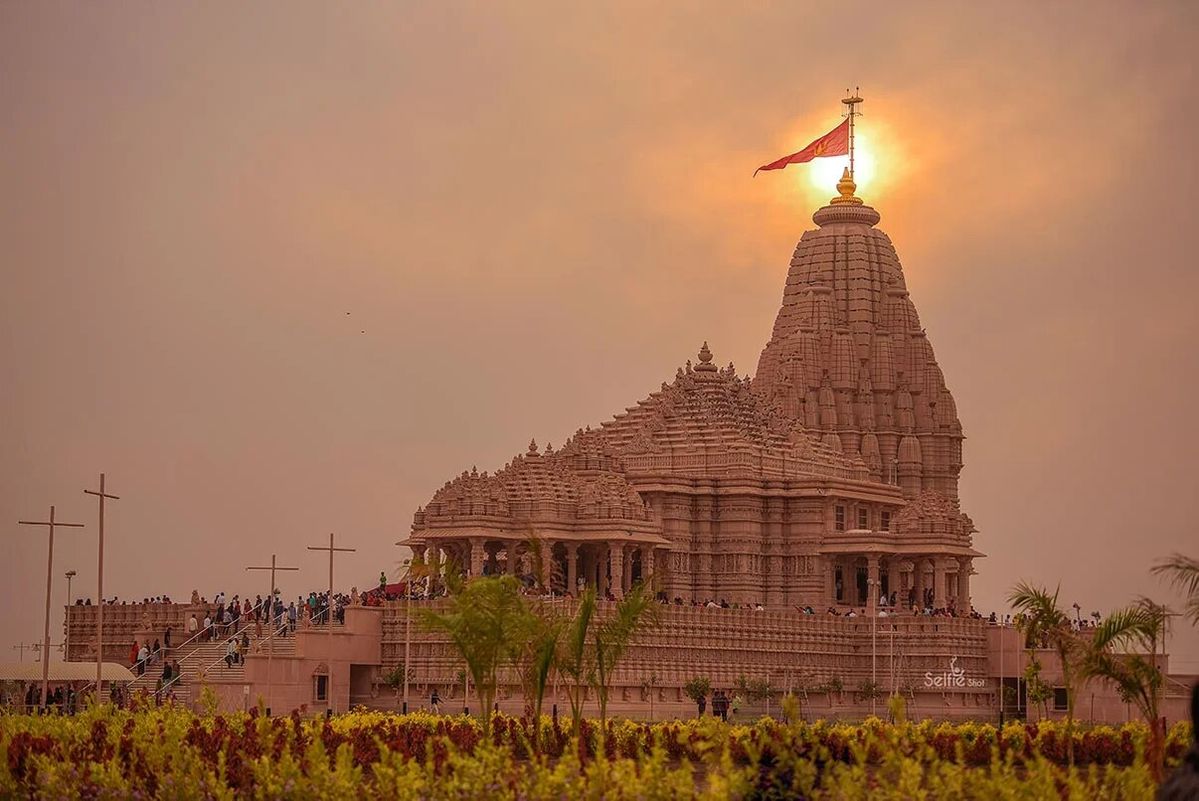
Tirumala Tirupati Devasthanams — at the centre of the adulteration crisis
Temple Image
images/temples/tirupati.jpg
Kashi Vishwanath Temple, Varanasi
Temple Image
images/temples/kashi.jpg
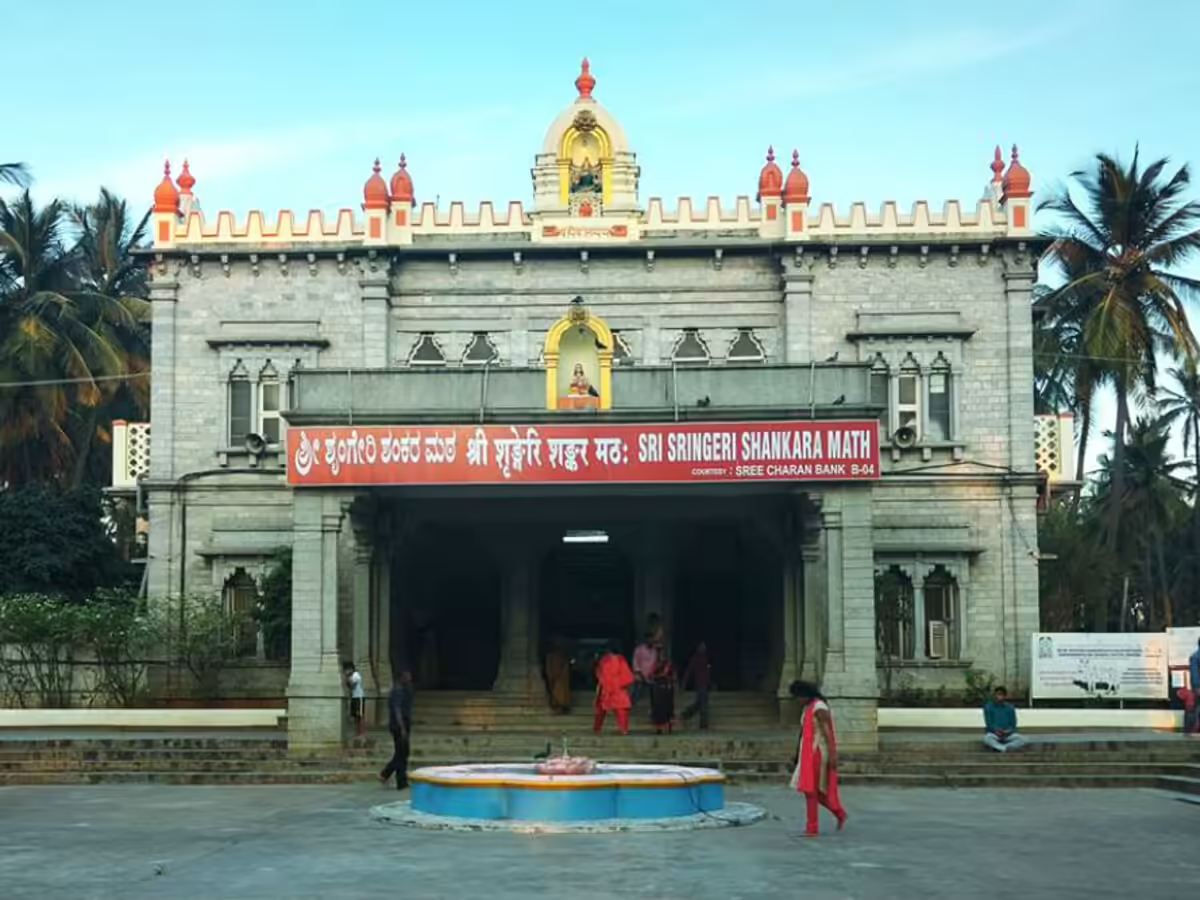
Sringeri Mutt, Karnataka
Temple Image
images/temples/sringeri.jpg
Rs. 250Cr Fraud Value • 2019–2024

"The main supplier never bought a single drop of milk or butter. Instead, they operated as a fake unit entirely dedicated to making artificial ghee using palm oil, chemical esters, and synthetic flavouring."

— SIT Report under CBI Supervision, Tirumala Tirupati Devasthanams Investigation

The Amul Model for Dharma:
A Fortress of Faith

Tirth Sutra is not a software company or a passive certifier. It is a fully owned, constitutionally protected cooperative producer — owning and overseeing the entire process from the farm to the temple.

Pillar I
Spiritual Leadership at the Top
The Dharma Sansad — made up of the four Shankaracharyas, the Akhil Bharatiya Akhara Parishad, and Vaishnava religious leaders — has the final say on all commercial decisions. Religious principles always come before profit.
Pillar II
Protected by the Constitution
Registered as a Multi-State Cooperative Society under the MSCS Act 2022, and protected by Articles 26 and 16(5) of the Constitution — allowing a fully Hindu Sevadar workforce across the country.
Pillar III
Farm-to-Temple Supply Chain
Through Dharma Krishi contract farming, Tirth Sutra organises Hindu farmers into local cooperatives and owns its own Sattvik-certified processing facilities — removing every middleman from the supply chain.
Pillar V
Education and Knowledge
A nationwide Gurukul Network, a digital platform called Sant-Samvad for live Shankaracharya talks, and a Vidya-Seva internship programme — building a self-reliant, spiritually grounded Sevadar workforce for generations to come.
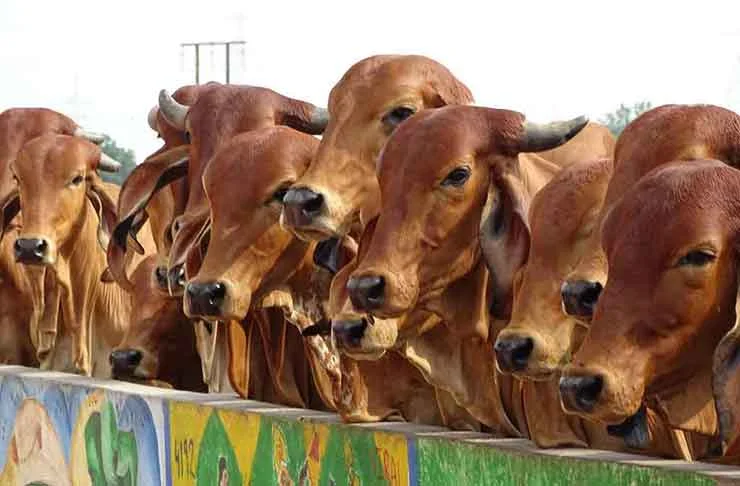
Dharma Krishi farm — indigenous Gir and Sahiwal cows
Farm Image
images/supply-chain/farm.jpg
Dharma Krishi — Contract Farm
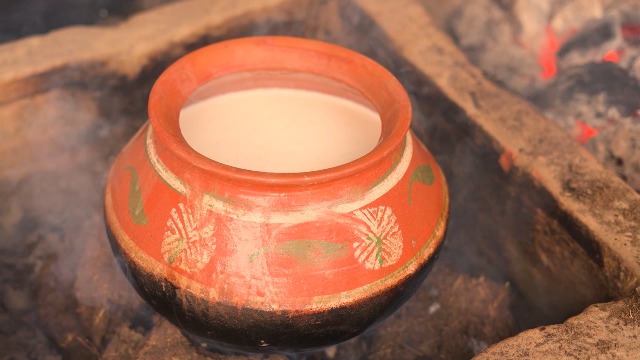
Sattvik-certified Bilona Ghee processing unit
Processing Unit
images/supply-chain/processing.jpg
Sattvik Processing Unit
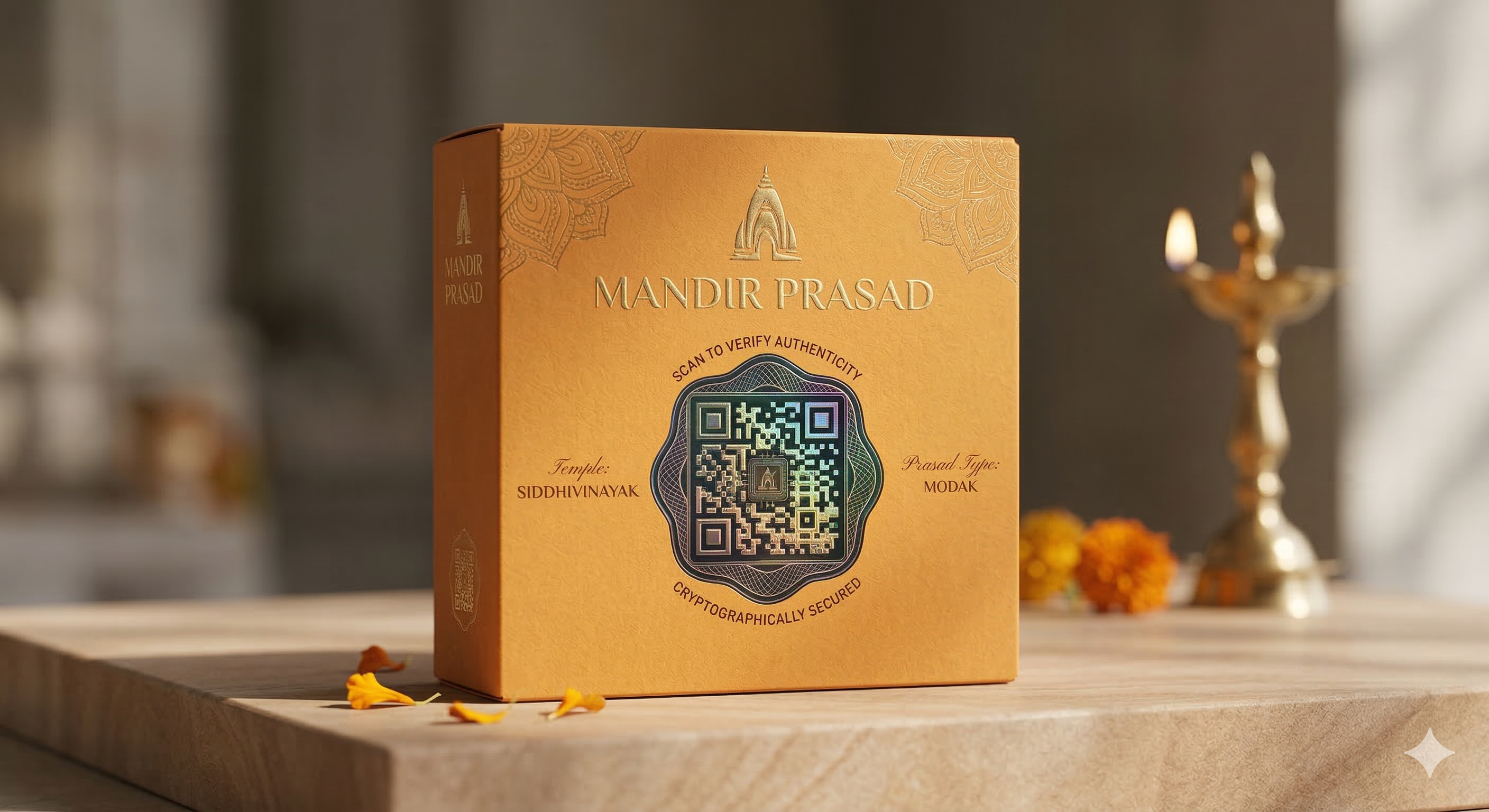
Prasad packaging with cryptographic QR code
Prasad Packaging
images/supply-chain/prasad.jpg
Blockchain-Verified Prasad

A Complete Transformation

Every weakness in the current system has a direct, constitutionally protected fix within the Tirth Sutra model.

Current State Bharatiya Dharma Sansthan
Governance Secular IAS bureaucrats and state HR&CE boards Dharma Sansad (Shankaracharyas) with veto power over the commercial board
Procurement Lowest bidder tender rules — economically impossible for genuine ghee Sattvik-verified Dharma Krishi direct contract farming at a guaranteed fair price
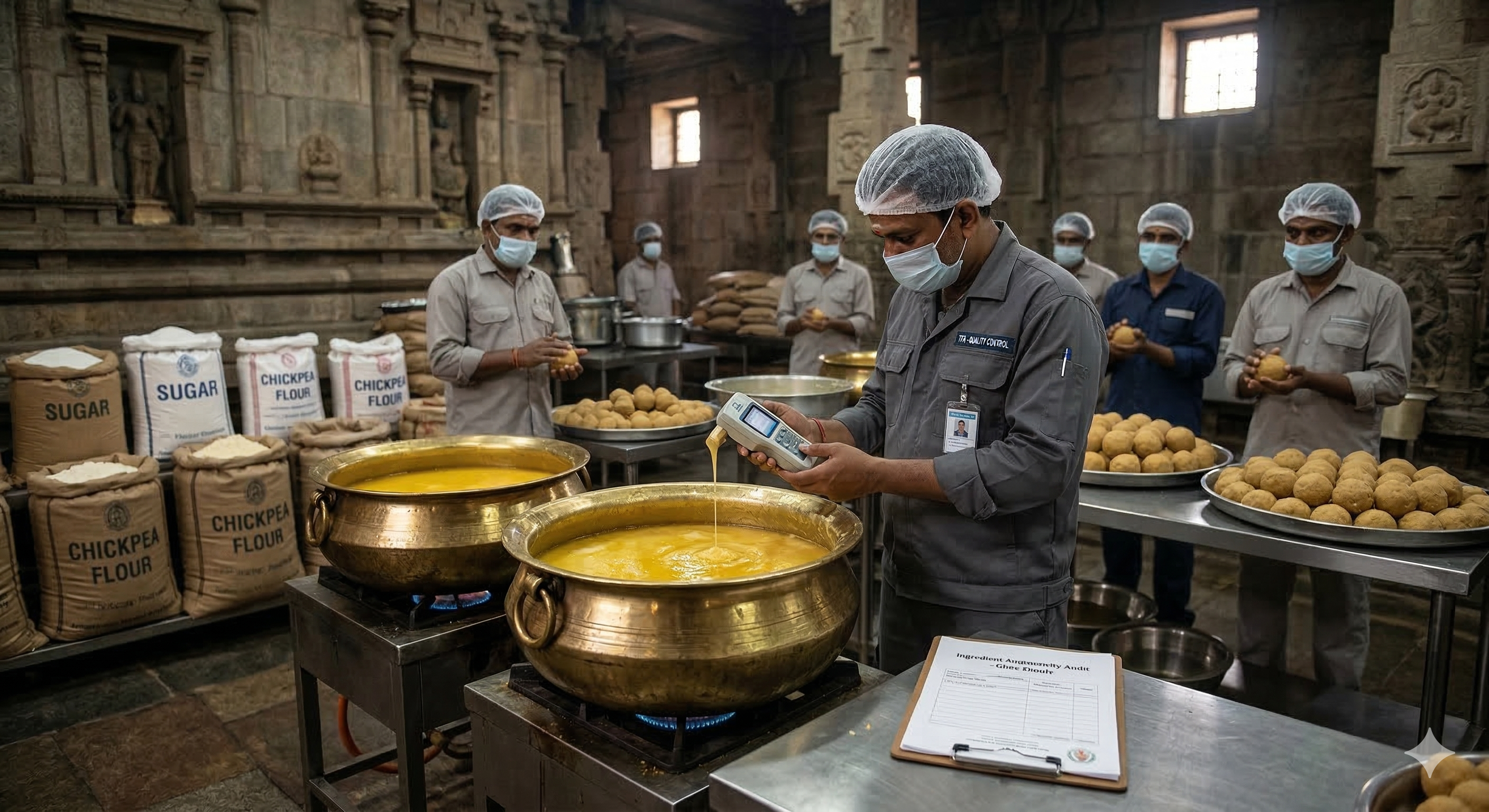
Purity Testing Basic Reichert-Meissl value test — easily beaten using synthetic chemicals NABL Dharma Labs: advanced molecular profiling and DNA-based species detection
Workforce Mixed or secular staff; no religious qualification required 100% practising Hindu Sevadars; protected under Article 16(5)
Transparency Opaque supplier networks; forged paperwork Secure blockchain records; devotees can scan a QR code on every Prasad wrapper
Economy Money lost to unorganised middlemen and those who adulterate products A self-sustaining Dharmic Economy; profits reinvested into Gurukuls and cow protection

Scientifically Proven Purity.
Securely Recorded Trust.

We do not just promise purity — we prove it at the molecular level, and record that proof on a permanent blockchain ledger that every devotee can access.

Gas Chromatography–Mass Spectrometry (GC-MS)
This test identifies the exact molecular makeup of the product — detecting foreign vegetable oils, palm fats, and animal fats by analysing fatty acid and fat compound patterns. It catches the synthetic mixtures used in modern adulteration that older standard tests simply cannot find.
Species-Specific DNA Testing (PCR Assay)
DNA is extracted and tested using species-specific PCR targeting genetic markers in mitochondrial DNA. This detects the presence of cow, pig, or fish DNA at levels as low as 0.01% — even in heavily processed fats.
The Sattvik Chain: Farm-to-Temple Blockchain Ledger
01
Dharma Krishi Farm
Details of the indigenous cow breed, the Sevadar farmer's identity, and organic certification are recorded on the blockchain via a smart contract as soon as the harvest is complete.
02
Sattvik Processing Unit
Each RFID-tagged batch enters our owned processing facility. IoT sensors record the entry time, temperature, and processing duration. No non-vegetarian substances are permitted on the premises.
03
Dharma Lab Certification
GC-MS and DNA PCR test results are cryptographically signed and linked to the batch record. If any contamination is detected, an immediate network-wide Red Alert is triggered.
04
Temple Delivery & Devotee QR Scan
A secure QR code on each Prasad wrapper lets devotees instantly view the full blockchain record — the farm of origin, processing date, lab test certificates, and the name of the Sevadar who packed it.

The Vision Explained

Hear directly from those behind the movement to restore purity to India's sacred supply chain.

Tirth Sutra — Bharatiya Dharma Sansthan

One United Federation:
Four Zones, One Mission

India's spiritual landscape requires local execution united under a single standard of purity. The National Temple Grid coordinates seamless logistics across the country from a Central Secretariat in Ujjain or Varanasi.

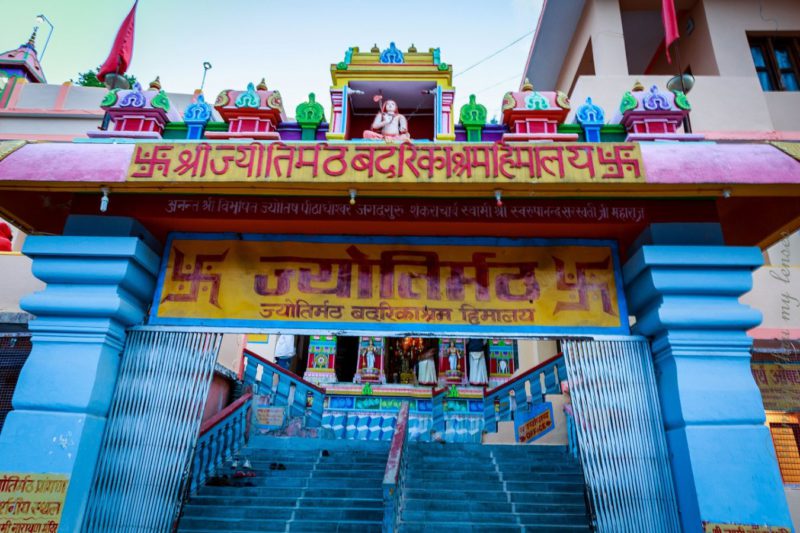
Jyotirmath — Himalayan shrine, North Zone headquarters
Uttara Zone
images/temples/jyotirmath.jpg
Uttara — North Zone
HQ: Jyotirmath / Ayodhya
  • Himalayan temples and high-altitude sourcing
  • Specialisation: Saffron, pure wool for deity garments
  • Rare mountain herbs for specialised Havans
Dwarkadheesh Temple — West Zone headquarters
Paschim Zone
images/temples/dwarka.jpg
Paschim — West Zone
HQ: Dwarka / Somnath
  • Dairy-rich regions of Gujarat and Rajasthan
  • Specialisation: Cotton, A2 Bilona Ghee production
  • Milk solids for temple sweets and offerings
Sringeri Mutt — South Zone headquarters
Dakshina Zone
images/temples/sringeri.jpg
Dakshina — South Zone
HQ: Sringeri / Kanchipuram
  • Serves TTD, Sabarimala, and major southern temples
  • Specialisation: Premium rice varieties, coconut oil
  • Silk fabrics, southern spices, and ritual materials
Jagannath Puri Temple — East Zone headquarters
Purva Zone
images/temples/puri.jpg
Purva — East Zone
HQ: Puri / Kamakhya
  • Serves the Jagannath Puri temple network
  • Specialisation: Jute, paddy cultivation
  • Specific ritual materials for Tantric and devotional practices

Faith that Funds the Future

Tirth Sutra is built to be financially self-sufficient. Profits from the supply chain flow into the Dharma Kosh fund, which is reinvested directly into the Gurukul network and the protection of indigenous cows.

22.3%
Annual Growth Rate of India's A2 Ghee Market through 2033
8.08%
Projected Annual Growth of India's Religious Tourism Economy
84%
Indian consumers willing to pay more for verified food safety
Rs.0
State dependence — fully financially and operationally independent

Your Place Is Within
the Federation.

India's spiritual world stands at a turning point in history. Tirth Sutra offers a rare opportunity to bring order to a multi-billion-dollar industry while fully restoring the sanctity of India's sacred heritage.

Temple Onboarding
For Mandir trustees and administrators
Farmer Partnership
Join the Dharma Krishi network
Investment / Donation
Help fund the Circular Dharmic Economy